Hurricane Isabel Recreational Boat Losses More the $150 Million
Hurricane Plan needed by boaters
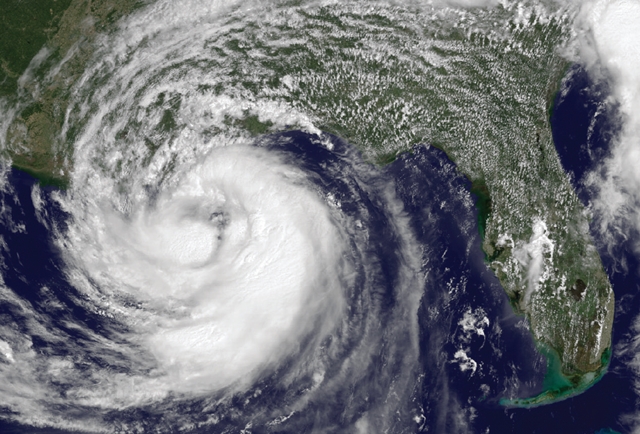
Boat Owners Association of The United States reports that losses to recreational boats from Hurricane Isabel (not including marinas, other infrastructure or commercial vessels) will total over $150 million. Much of the damage occurred in the upper reaches of the Chesapeake Bay and Potomac River watersheds, far from the storm's North Carolina landfall.
"Our Catastrophe Response Team is reporting quite a few pockets of severe damage to recreational boats," said Carroll Robertson, vice president Marine Insurance. She adds, "The surprise in this storm was the severity of storm surge throughout the Chesapeake Bay and Potomac River, in spite of the storm's landfall far to the south, and its subsequent track inland."
"Boaters who took advantage of the long lead time before Isabel hit and made hurricane preparations by either removing their boat, or adding extra lines, chafe protection, reducing windage and buttoning up tightly, generally fared OK," adds Robertson.
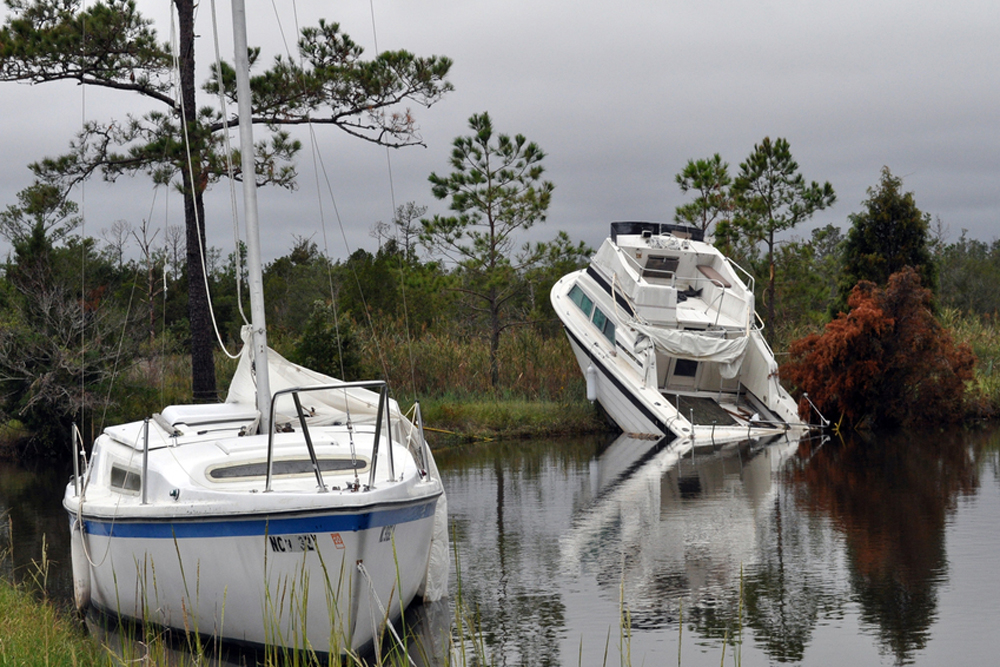
Initial damage reports reflect the effective storm preparations. "While our Catastrophe Response Team has seen many total losses, much more of the vessel damage is minor or cosmetic, such as scrapes, damaged rubrails, swim platforms or torn canvas. And with any kind of storm, this kind of damage is to be expected," said Robertson. "The sheer number of boats in this area has resulted in one of the largest economic losses to recreational boats from any catastrophe including Hurricane Andrew in 1992."
In the upper Chesapeake and Potomac, a combination of wind driven storm surge and high tide was exacerbated by run off of rainfall, catching many unprepared with record setting high water. Most of the damaged vessels were left in boatlifts or in slips to weather the storm. The north and west sides of the Chesapeake Bay were particularly hard hit.
Boaters are urged to call their insurance providers and not sign salvage contracts on the spot. "You want your insurer to handle any negotiations - that's what you pay them for and it will ensure there are no surprises in the recovery process," said Robertson.
Boaters can help further mitigate damage by removing expensive items to prevent theft, and continue to keep water out of their boat. For a list of post-storm damage procedures such as preserving or "pickling" an engine, go to www.boatus.com/hurricanes/after.asp.
Overall, marinas got hit the hardest in this storm and some are not expected to recover soon. It may take months before some yards will be back on their feet.
Robertson adds, "If there is a lesson we can learn, it's that boaters should have a hurricane plan. Those who didn't prepare ahead of time experienced the worst Isabel had to offer."